Milking Table Massage Guide: What It Is and What to Expect
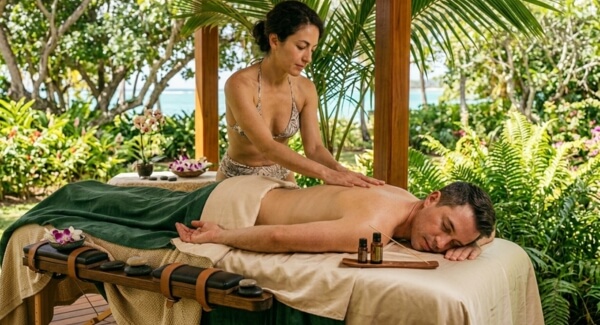
A milking table massage is a specialist form of adult bodywork that uses a purpose-built table with a cut-out in the surface. The client lies face down, fully supported, while the practitioner works from below, combining broad sensual massage with more focused intimate touch. The setup is designed to keep the body relaxed and stable, while allowing the session to move gradually from general warmth into more targeted erotic or prostate-focused work.
What makes this style distinctive is not just the table itself, but the way the whole experience is structured. The session relies on slow pacing, generous lubrication, clear communication and a careful build-up of sensation. When done properly, it feels deliberate, intimate and unhurried, with comfort and consent shaping every stage of the treatment.
What Is a Milking Table?
The table is the central feature of the experience. It is usually padded, sturdy and fitted with a cut-out positioned so the groin area remains accessible while the rest of the body stays supported. That means the client can stay face down without awkward shifting, which helps the massage flow more naturally.
Some tables are adjustable, which makes it easier to match different body shapes and heights. That detail matters more than it first appears. Good positioning helps the practitioner work comfortably and allows the client to stay fully relaxed, rather than feeling strained or off-balance during the session.
Milking tables are used in a few different kinds of adult bodywork. They are often associated with:
- Lingam massage sessions.
- Prostate-focused bodywork.
- Sensual full-body massage with an intimate finale.
- Body-to-body techniques where access and positioning are important.
In practical terms, the table is less about novelty and more about access, comfort and continuity. It allows the practitioner to maintain a steady rhythm while the client remains in one supported position for the duration of the session.
Why the Setup Matters
A good milking table changes the feel of the session before any touch has even begun. The face-down position creates a sense of surrender and focus, which can help the client settle into the experience more easily. At the same time, the cut-out creates a very specific working space beneath the body.
That combination is what gives the table its appeal. The client does not need to repeatedly change position, and the practitioner can move between broader touch and more intimate work without interrupting the flow. For many people, that continuity is what makes the session feel more immersive than a standard massage.
The table also helps with privacy and comfort. Because the body remains well supported, there is less chance of tension building in the shoulders, chest or abdomen. That makes the experience feel more contained, which is especially important in sessions that involve prolonged sensual or erotic touch.
How a Session Typically Flows
Most milking table sessions follow a clear sequence. The pace is deliberate, and a well-run treatment should never feel rushed or mechanical. Each stage has its own purpose, and the transition from one phase to the next should feel smooth.
Consultation
The session begins with a short conversation. This is where the practitioner confirms comfort levels, experience, boundaries and any specific preferences the client may have. It also gives both sides a chance to agree on the overall tone of the session before any physical contact begins.
This part matters more than many people expect. A good consultation builds trust, reduces uncertainty, and helps the client relax. It also gives the practitioner the information needed to shape the session safely and appropriately.
Warm-Up Phase
The first touch is usually broad and sensual rather than focused. Massage is applied to the back, shoulders, legs, and glutes to soften tension and gradually warm the body. This phase creates the physical and emotional conditions for the rest of the session.
The warm-up is often where the therapist establishes rhythm. Slow, flowing strokes help the client settle, while also signalling that the session is moving towards a more intimate phase. In a well-paced treatment, this section should never feel rushed or rushed through.
Transition to Intimate Work
Once the body is properly relaxed, the practitioner moves to the area accessible through the table cut-out. This is where the work becomes more focused. Technique at this stage usually involves steady pressure, measured movement and gradual build-up rather than sudden intensity.
Lubrication is used generously throughout. That is important for both comfort and continuity. The goal is to keep sensation flowing naturally while avoiding friction, distraction or unnecessary tension. Depending on what has been agreed beforehand, this stage may focus on the lingam, the perineum or the prostate.
Closing and Aftercare
The final part of the session should feel softer again. Good practitioners often return to a broader, calmer touch so the client can gradually ease out of the heightened state. A short pause afterwards is normal and often welcome.
Aftercare may include a warm towel, water, or a few quiet minutes before getting up. That gives the body time to reset and helps the client leave the session feeling grounded rather than abruptly pulled out of the experience.
What the Practitioner Does
The practitioner’s role is to guide the pace, maintain comfort and keep the session emotionally and physically coherent. This kind of bodywork requires more than technical access. It also depends on timing, observation and the ability to respond to subtle changes in the client’s body language.
Key elements usually include:
- Steady verbal check-ins to confirm comfort and pressure.
- Slow, deliberate strokes that build gradually.
- A balance between broad massage and focused touch.
- Generous, reapplied lubrication throughout the session.
- Careful attention to the client’s physical response.
- Clear signalling when the session is moving from one phase to the next.
Abrupt changes in pace are usually a bad sign. The best sessions have a calm rhythm, where each movement feels connected to the last. That sense of continuity is part of what makes milking table massage feel distinctive.
How to Prepare as a Client
A little preparation can make a noticeable difference to the quality of the session. The aim is to arrive comfortable, relaxed and clear about what you want from the experience.
- Shower or bathe beforehand so you feel fresh and at ease.
- Avoid a heavy meal shortly before the appointment.
- Think in advance about your boundaries, preferences and any concerns.
- Be open during the consultation so the practitioner can tailor the session properly.
- Mention any injuries, sensitivities or areas you would like avoided.
There is no need to feel anxious about the table itself. Most clients find the face-down position comfortable once they settle in, especially because the chest and abdomen remain well supported. The more relaxed you are at the start, the smoother the session tends to feel.
Consent and Safety
Consent should not be treated as a box-ticking exercise. It is part of the session from the first conversation through to the final moments. A reputable practitioner will explain what the session involves, check for any relevant health considerations, and ensure you know you can pause or stop at any time.
You should never feel pressured to agree to anything you have not clearly consented to. Good communication is not a disruption; it is part of the service. If something feels uncomfortable, it should be addressed immediately rather than left to drift.
Signs of a professional approach include:
- A proper consultation before any physical contact.
- Clear explanation of the session structure.
- Willingness to adjust pressure, pace or position.
- A clean, private and well-prepared environment.
- No pressure to move beyond what has been agreed.
That standard of care is especially important in intimate bodywork, where trust affects both comfort and overall experience. A client should always feel that the session is being guided with care, not improvised without regard for boundaries.
Milking Table vs Lingam vs Prostate Massage
These three treatments overlap in some areas, but they are not the same. The table below makes the differences easier to see at a glance.
| Feature | Milking Table | Lingam Massage | Prostate Massage |
|---|---|---|---|
| Client position | Face down on a specialist table. | Usually face up or reclined. | Varies, often face up or side-lying. |
| Primary focus | Full body with intimate access from below. | Penile and surrounding genital touch. | Prostate-focused stimulation. |
| Equipment required | Specialist table with a cut-out. | Standard massage surface. | Standard massage surface. |
| Full-body massage included | Yes, usually central to the session. | Often, as part of the warm-up. | Sometimes, depending on the practitioner. |
| Technique style | Broad, gradual and position-led. | Focused, sensual and fluid. | Specialised, intimate and anatomically specific. |
| Best suited for | Clients wanting combined sensual and erotic bodywork. | Those seeking external genital massage with a tantric tone. | People looking for prostate-led pleasure or body exploration. |
The main difference is not only the focus of the touch, but the whole structure of the session. Milking table massage is defined by the setup, the positioning and the way the experience unfolds.
Who Chooses This Type of Session
Milking table massage appeals to people who want more than a standard sensual massage. Some are curious about the setup itself. Others are looking for a more specialised form of adult bodywork that feels intimate, immersive and technically distinct.
It often suits clients who value structure. Because the session has a clear physical format, it can feel reassuringly contained. For some, that makes it easier to relax into the experience and let go of self-consciousness.
It may also appeal to clients who are already familiar with lingam or prostate massage and want a setup that allows for smoother flow and better access. The table is not the only attraction, but it does shape the whole mood of the session.
What a Good Session Feels Like
A strong milking table session should feel steady, calm and well-paced from start to finish. There should be enough time for the body to warm up, enough communication to avoid uncertainty, and enough technical skill to keep the experience flowing naturally.
The best sessions do not feel hurried or awkward. They feel deliberate. The client has time to settle, the practitioner has time to respond, and the session's structure creates a sense of confidence throughout.
That is what makes this type of bodywork stand out. It combines comfort, access and intimacy in a way that can feel more immersive than a conventional massage. When the setup, pacing and communication are all handled well, the result is a session that feels carefully held from the first moment to the last.
Frequently Asked Questions
Is a milking table massage uncomfortable?
No, it should not be. The table is padded and designed to support the body properly, with the cut-out positioned to reduce strain. If the alignment feels off, the practitioner should adjust the setup before continuing.
Do I need to do anything during the session?
Not much. The main aim is to relax and communicate clearly if something needs to be adjusted. You are not expected to stay silent if pressure, pace or positioning feels wrong.
Can a milking table session avoid prostate work?
Yes. The table is simply the setup. The exact scope of the session should always be agreed beforehand, so it can focus on external touch if that is your preference.
How long does a session usually last?
Most sessions run for 60 to 90 minutes. A longer booking often works better, because it allows time for a proper warm-up and a more measured transition into the intimate phase.
Is it normal to feel emotional afterwards?
Yes. Some clients feel calm, light or quietly reflective afterwards. That can be part of the release, and a few minutes of aftercare usually helps the transition back to normal life.
How is it different from a happy ending massage?
A happy ending massage usually refers to a conventional massage with a sensual or erotic finish. Milking table massage is more structured, more equipment-led and usually built around a specific position and session flow from the outset.
For clients who know what they want, that structure can make the experience feel clearer and more satisfying. It gives the practitioner a framework to work within and the client a clearer sense of what the session aims to achieve.
Search Massage Therapists Near You.
More From Our Blog



Latest Blogs
Milking Table Massage Guide: What It Is and What to Expect
Comprehensive Guide to Lesbian and Gay Massages in the UK
Guide to Secret Massages: Body Rub and Companionship
Advertising Adult Work In The UK On Sensual Massages: The Easy Way
AdultWork vs Vivastreet Massage vs Sensual Massages UK 2026
Faceoff Review: I Love Massage & Vivastreet For Adult Work
What Is The Average Cost Of Escort In The UK - 2026 Guide
Escort For Couples - Find & Experience Sensual Threesome Today
Escorts, Sugar Babies and Prostitutes: What's the Difference?
View All Blogs
Advertise with Sensual Massages
Create an Ad within minutes & increase your earning potential as we connect you with more clients!