Full Body Massage London & Near You
Find Full Body Massage treatments in London, UK & Near You!
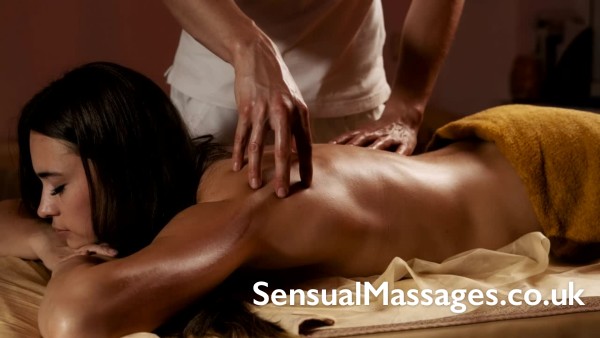
A full body massage is a treatment covering the whole body from the shoulders and back down to the legs and feet, using a combination of massage techniques to relieve muscle tension, improve circulation and promote deep relaxation. Sessions typically last between 60 and 90 minutes and are adapted to the client's needs, whether that means light, calming strokes or firmer pressure on areas of persistent tension. Qualified therapists offering full body massage are listed across the UK on SensualMassages.co.uk.
What Is a Full Body Massage?
A full body massage works across all the major muscle groups in a single session. Rather than targeting one specific area as a sports or remedial treatment might, it takes a whole-body approach, addressing accumulated tension from head to toe and leaving the client feeling physically lighter and mentally clearer.
Most full body massage sessions draw on more than one technique. A therapist might open with broad, warming Swedish massage strokes to settle the nervous system, then shift to deeper, more focused work on the back, shoulders or legs where tension tends to gather. The session flows continuously, with transitions between techniques guided by the therapist's assessment and the client's feedback.
The result is a treatment that covers both relaxation and remedial ground in the same appointment, which is why full body massage suits such a wide range of clients, from those simply looking to unwind to those managing ongoing muscular discomfort.
What Happens During a Full Body Massage
Sessions follow a broadly consistent structure across most therapists, though the techniques used and areas prioritised will vary depending on the client's needs and the therapist's specialism.
| Stage | What Happens |
|---|---|
| Consultation | Brief discussion covering any areas of tension, injury history, pressure preference and the client's goals for the session |
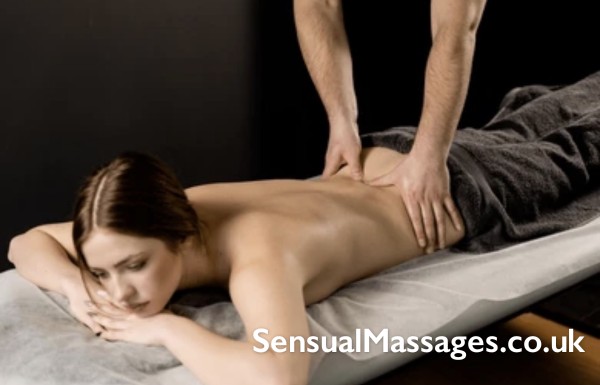
| Back and shoulders | The session typically begins face-down; the therapist works across the upper and lower back, shoulders and neck |
| Legs and glutes | Hamstrings, calves and glutes are worked thoroughly, releasing tension that accumulates from sitting or physical activity |
| Arms and hands | Often overlooked in targeted treatments; full body massage includes the forearms, wrists and hands |
| Front of the body | Client turns face-up; the therapist works across the chest, abdomen, fronts of the legs and feet |
| Head and scalp | Many therapists close the session with scalp, neck and face work, completing the head-to-toe coverage |
Sessions run from 60 to 90 minutes. A 60-minute session covers the essentials well. 90 minutes allow the therapist to spend more time on areas of particular tension without rushing any part of the body.
Techniques Used in Full Body Massage
Most therapists draw on a core set of techniques, adapting the balance and intensity to the client in front of them. Understanding the main approaches helps clients communicate what they want and get more from the session.
| Technique | What It Does | Best For |
|---|---|---|
| Swedish Massage | Long, gliding strokes that warm the muscles and calm the nervous system | General relaxation, first-time clients, stress relief |
| Deep Tissue | Sustained pressure into deeper muscle layers to release chronic tension and knots | Persistent tension, postural issues, physical discomfort |
| Petrissage | Kneading and lifting of the muscle tissue to improve circulation and soften tight areas | Shoulders, upper back, calves and thighs |
| Trigger point work | Focused pressure on specific points of tension that refer pain to other areas | Headaches, shoulder tension, referred back pain |
| Passive stretching | Gentle movement of the limbs to improve range of motion and ease joint stiffness | Tight hips, stiff legs, reduced flexibility |
Therapists who also practise sports massage often bring additional assessment skills to a full body session, identifying postural imbalances or movement restrictions that a standard relaxation massage would not address.
The Benefits of Full Body Massage
The appeal of a full body massage is that it addresses the body as a whole rather than treating symptoms in isolation. Tension in the lower back often connects to tightness in the hamstrings. Shoulder pain is frequently linked to the neck and upper chest. Working across the whole body in a single session allows these connections to be addressed together, producing results that targeted treatment alone often cannot.
Regular clients report a wide range of benefits, including:
- Significant reduction in muscle tension across the back, shoulders and legs
- Improved circulation and a feeling of physical lightness after the session
- Deeper, more restorative sleep in the nights following treatment
- Reduced headache frequency, particularly tension headaches linked to neck and shoulder tightness
- Lower levels of stress and anxiety, both immediately after the session and over time with regular bookings
- Greater body awareness and an improved sense of where tension is held day to day
Many clients book a full body massage monthly as preventative maintenance, finding it more effective than waiting until tension becomes painful before seeking treatment.
Who Full Body Massage Is For
Full body massage suits almost anyone without a contraindication to massage. It is particularly well-suited to people who carry stress physically, spend long hours at a desk, or feel tension building across multiple areas of the body.
It is also a strong starting point for clients who have not had a professional massage before. A full-body session provides a clear picture of which areas respond well to treatment and which may need more focused attention in future sessions, making it useful both as a standalone treatment and as a foundation for ongoing therapeutic work.
Clients managing more specific physical demands, such as those in training or recovering from sport, may find that combining full body massage with more targeted sports massage produces the best results over time.
Finding a Full Body Massage Therapist in the UK
Therapists offering full body massage on SensualMassages.co.uk list their qualifications, available techniques and session options directly on their profiles. Many hold Level 3 or higher qualifications in massage therapy and carry professional indemnity insurance.
When browsing listings, check that the therapist lists the techniques relevant to your needs and that their profile includes clear contact details. Many therapists offer both incall and outcall appointments, making it straightforward to find someone who can come to you or who operates a nearby studio.
Related Massage Treatments
Tantric Massage Erotic Massage Sports Massage Relaxing Massage Happy Ending Massage Foot FetishNearby Cities for Full Body Massage
Sheffield, Brighton & Hove, Oxford, Glasgow, Nottingham, London, Liverpool, Manchester, Leeds, Newcastle upon Tyne, Belfast, Cardiff, Bradford, Cambridge, Edinburgh, Birmingham,







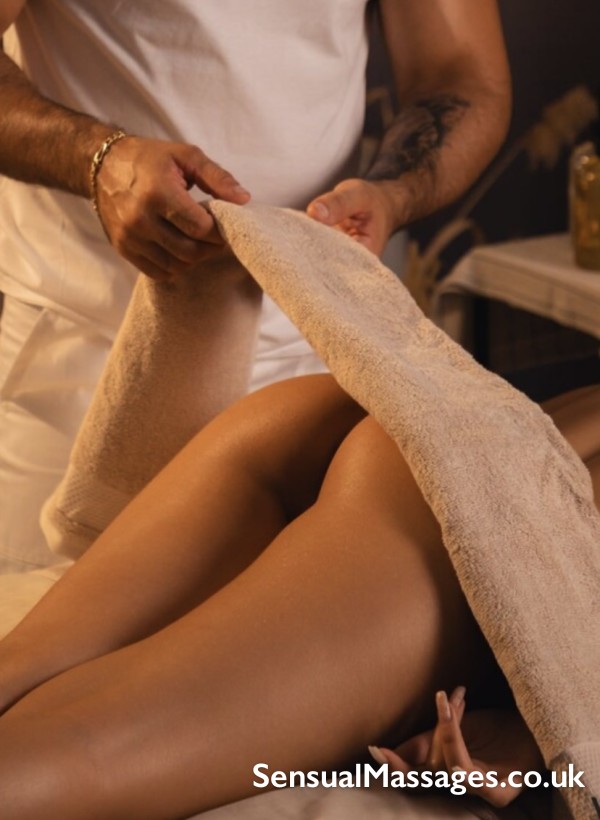
A Professional Holistic Sensual & Erotic Journey...

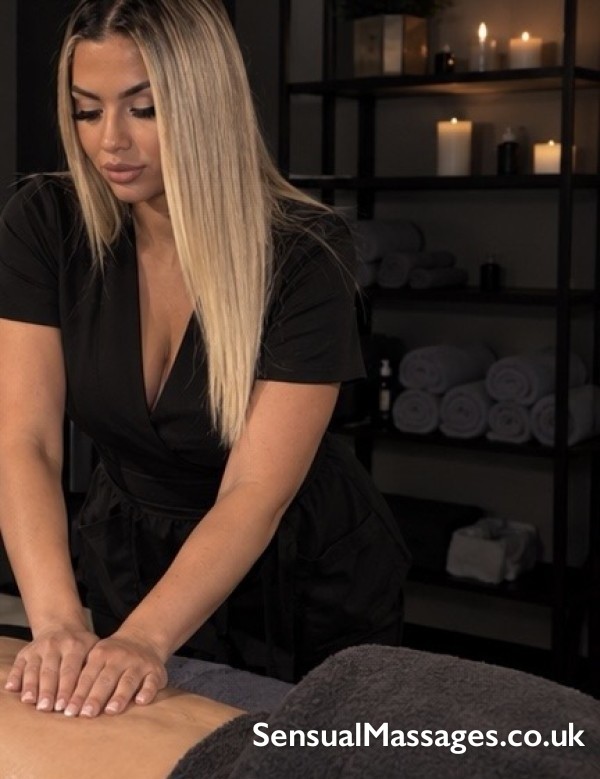






Relaxing Mutual Massage Experience In London...

Full Body Relaxing Massage In London Outcall Service...



Amy Sexy Massage 💕...





Sensual Massage...



🔥 Slow And Intimate🔥 The Ultimate Experience...







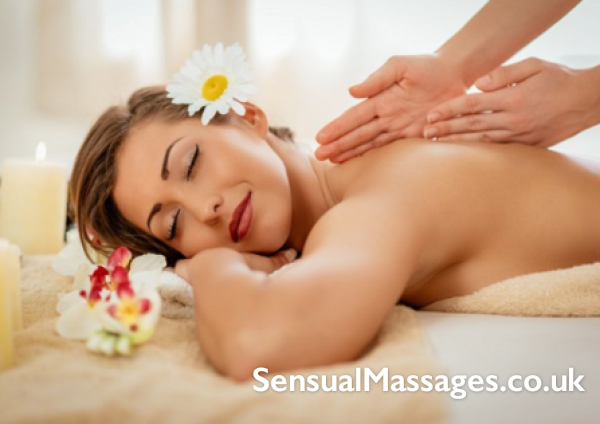


Paloma Brazilian Sensual Massage New In Hammersmith...










Duda Martinez · Sw7 · South Kensington...













Tantric And Sensual Massage With Luna...

Your Sensual Odyssey...

Advertise with Sensual Massages
Create an Ad within minutes & increase your earning potential as we connect you with more clients!