Deep Tissue Massage London & Near You
Find Deep Tissue Massage treatments in London, UK & Near You!
A deep tissue massage is a therapeutic full body treatment designed to release chronic muscle tension, work through deep-seated knots and improve mobility in tight or overused areas. From long hours at desks in London to physically demanding routines in Manchester, Birmingham, Leeds and Glasgow, this kind of massage helps people who carry tension in their bodies and want real change in how their muscles feel. It is ideal for clients who prefer firm pressure and a more focused approach than a gentle relaxing massage.
The experience is built around slow, deliberate strokes and sustained pressure that reaches the deeper layers of muscle and connective tissue. The focus is on releasing restriction, improving movement and reducing pain rather than creating a purely relaxing experience. Many clients notice a difference in posture, range of motion and overall comfort after just one session.
What Is a Deep Tissue Massage?
A deep tissue massage uses firm to deep pressure, combined with slow strokes and targeted techniques to ease chronic tightness and break up adhesions in the muscles. It is often used for specific problem areas such as the lower back, neck, shoulders, hips and legs, but can also be applied across the whole body depending on your needs.
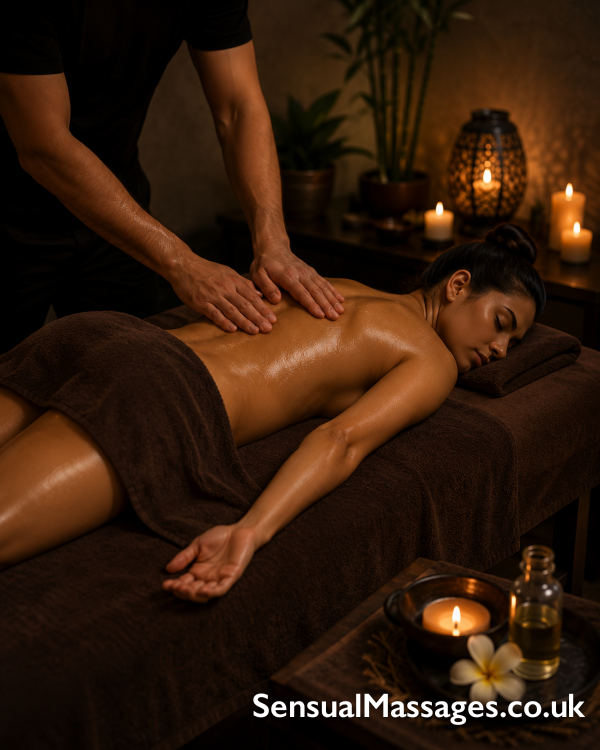
Clients usually lie on a comfortable massage table, draped with towels for warmth and modesty. Oil or lotion is used to allow the therapist's hands to glide while maintaining the necessary pressure. The atmosphere is typically calm, with a focus on therapeutic work rather than a spa-like experience.
This type of massage is designed for people who want:
- Relief from chronic muscle tension and stiffness.
- Help with recurring pain in the back, neck, shoulders or legs.
- Improved mobility and range of motion in tight areas.
- A treatment that addresses the root cause of tension, not just the surface.
- A firmer, more focused touch than a standard relaxing massage or Swedish massage.
How a Deep Tissue Massage Works
A typical session begins with a short conversation about your body, any injuries or pain points, and the kind of pressure you prefer. This helps the therapist understand where to focus and how to adjust the treatment to suit your tolerance and goals.
The massage usually starts with broader strokes to warm the muscles before moving into deeper, more targeted work. The therapist may use fingers, knuckles, forearms or elbows to apply steady pressure on tight bands of muscle and connective tissue. The pace is slow, which allows the tissue to release rather than resist.
Common techniques used in a deep tissue massage include:
- Deep stripping, slow, gliding pressure along the length of a muscle fibre.
- Friction, focused pressure applied across the grain of the muscle to break up adhesions.
- Trigger point work, sustained pressure on specific knots that refer pain to other areas.
- Myofascial release, gentle but firm stretching of the connective tissue to improve mobility.
Sessions usually last between 60 and 90 minutes. For clients with more complex or long-standing issues, regular sessions may be recommended to achieve lasting change.
Benefits of a Deep Tissue Massage
Deep tissue massage is more than a treatment for tight muscles. It can help with pain, posture, recovery and overall physical function, especially when used as part of an ongoing care plan.
Key benefits include:
- Relief from chronic pain, especially in the lower back, neck, shoulders and hips.
- Release of muscle knots and adhesions that limit movement and cause discomfort.
- Improved posture, as tight muscles are lengthened and the body can realign more easily.
- Better mobility and range of motion in stiff joints and overworked muscles.
- Faster recovery from exercise or physical strain, thanks to improved circulation.
- Reduced stress, as the body releases tension and the nervous system begins to settle.
- Long-term change, when sessions are repeated over time to retrain muscle patterns.
Who Is a Deep Tissue Massage For?
Deep tissue massage suits people who carry chronic tension, deal with recurring pain, or prefer a firmer, more therapeutic style of bodywork. It is particularly helpful for those who have tried lighter massage and felt it did not go deep enough.
It is a good choice for:
- Office workers with tight neck, shoulders and lower back from long hours at a desk.
- Athletes and active people looking for recovery and injury prevention.
- People with chronic pain, stiffness or restricted movement.
- Clients who want a massage that feels more like treatment than a pampering session.
- Anyone who has benefited from sports massage and wants a similar approach without the sports-specific focus.
How to Prepare for Your Session
A little preparation can help you get the most from your deep tissue massage. The aim is to arrive in a state that allows your muscles to release rather than brace against the pressure.
- Drink plenty of water before and after your session to support circulation and recovery.
- Avoid a heavy meal shortly before your appointment.
- Wear loose, comfortable clothing to and from the session.
- Be ready to give clear feedback about pressure and comfort during the massage.
- Expect some soreness afterwards, especially if you have chronic tension or are new to deep work.
There is no need to worry about discomfort during the session. A skilled therapist will work within your tolerance and adjust the pressure so the treatment feels challenging but not painful.
Deep Tissue Massage vs Other Common Styles
Deep tissue massage is often compared with Swedish and sports massage. The table below shows the main differences, so you can choose the style that best matches your needs. If you want a more dynamic, stretch-led approach, Thai massage offers a different kind of bodywork.
| Feature | Deep Tissue Massage | Swedish Massage | Sports Massage |
|---|---|---|---|
| Primary focus | Release of deep muscle tension and chronic knots | Classic relaxation with medium pressure | Performance, recovery and injury support |
| Pressure level | Firm to deep, focused on tight areas | Medium, balanced and rhythmic | Medium to firm, with a functional aim |
| Best suited for | Chronic pain, stiffness, desk-related tension | General relaxation and overall wellbeing | Athletes, active people and injury recovery |
| Typical session length | 60 to 90 minutes | 60 to 90 minutes | 60 to 90 minutes |
Deep tissue massage is the best option if you want firm, focused pressure that targets deep-seated tension and chronic muscle issues.
What a Good Session Feels Like
A well-run deep tissue massage should feel firm but never rough or harsh. The pressure should be strong enough to work through tight areas, but still within your comfort zone. You should feel the therapist working deeply, without sharp or shocking pain.
Many clients feel a sense of release during the session, followed by a feeling of lightness and improved movement afterwards. Some soreness in the treated areas for a day or two is normal, especially if you have chronic tension or are new to deep work. Drinking water and moving gently can help the body recover more quickly.
Related Massage Treatments
Yoni Massage Nude Massage Naked Massage Asian Massage Body To Body Massage Fetish MassageNearby Cities for Deep Tissue Massage
London, Birmingham, Bradford, Belfast, Cardiff, Liverpool, Oxford, Newcastle upon Tyne, Leeds, Sheffield, Manchester, Brighton & Hove, Glasgow, Edinburgh, Nottingham, Cambridge,
Your Sensual Odyssey...








Relax And Recharge...








Wimbledon - Asian Erotic Massage Outcall...












Tantric And Sensual Massage With Luna...

















Advertise with Sensual Massages
Create an Ad within minutes & increase your earning potential as we connect you with more clients!